Why Marina Maintenance Looks Different in Michigan
Michigan’s marina environments: inland lakes, river-fed basins, and Great Lakes harbors
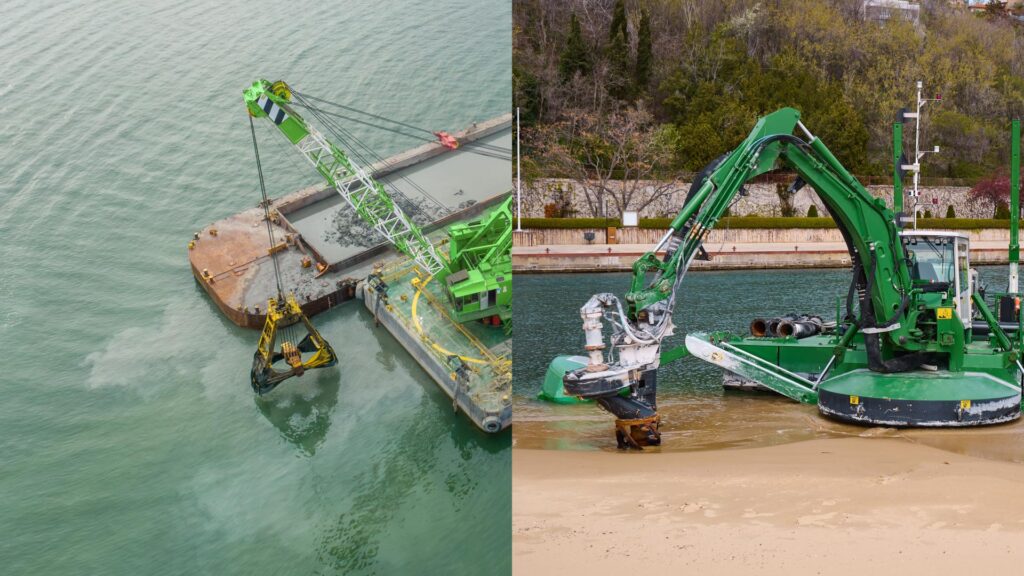
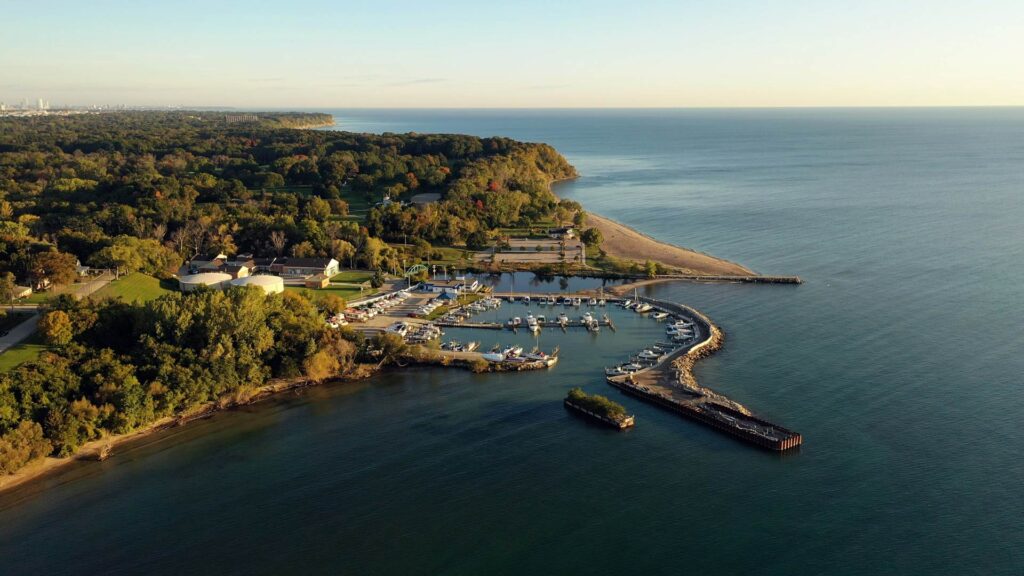
Michigan is home to one of the most varied marina landscapes in the country. Marinas operate on quiet inland lakes, along river-fed basins, and within large harbors connected to the Great Lakes. Each of these environments responds differently to weather, hydrologic processes, and seasonal use, which directly affects how sediment accumulates over time.
Inland lake marinas, common in counties such as Oakland, Livingston, and Grand Traverse, often experience gradual sediment accumulation from shoreline runoff and organic matter. These lakes usually have calmer water, which allows fine particles to settle near docks and slips. River-fed marinas along waterways such as the Grand River, Kalamazoo River, or Muskegon River deal with a steady supply of sediment carried downstream, especially after heavy rain events or spring snowmelt. Great Lakes harbors face an entirely different set of conditions, including wave-driven sand movement, shifting shoals, and fluctuating water levels.
Because of this diversity, marina maintenance in Michigan requires careful consideration of local conditions rather than a general approach.
Why maintenance dredging in Michigan requires local knowledge, not generic solutions
Many dredging strategies used in other states do not translate well to Michigan. Regions with tidal influence or uniform coastal conditions operate under very different sediment patterns. In Michigan, water levels, storm cycles, and sediment sources vary widely from one marina to the next.
Maintenance dredging in Michigan depends on understanding how sediment moves within a specific lake, river, or harbor. Local soil composition, watershed activity, and seasonal weather patterns all play a role. Without this knowledge, dredging plans may remove too much material in stable areas while leaving active shoaling zones untouched. This leads to higher costs and shorter dredging intervals.
Local experience allows dredging plans to be tailored to each site, improving efficiency and long-term results.
How Michigan Dredging approaches marina dredging with precision, compliance, and long-term planning
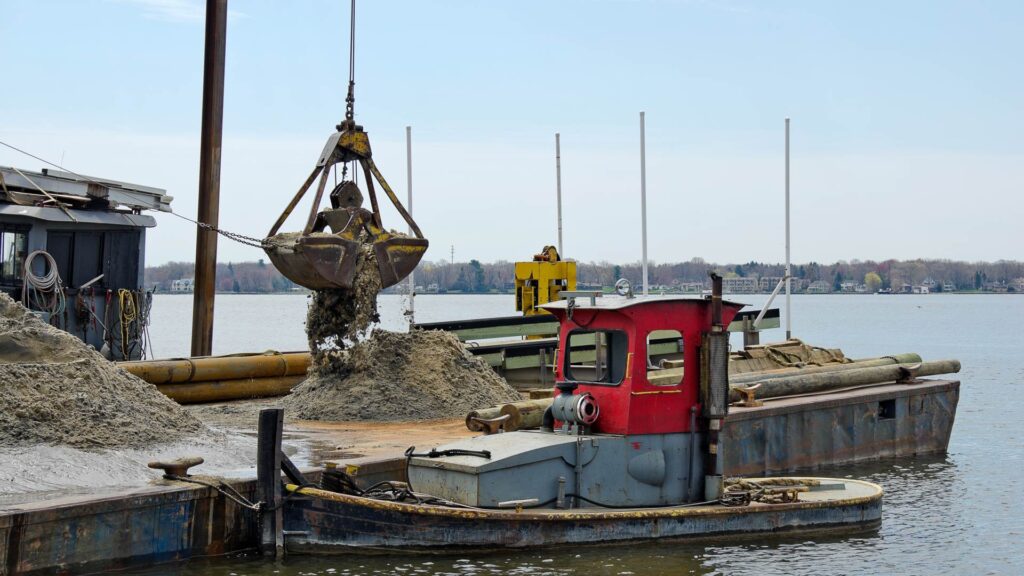
Michigan Dredging approaches marina projects with a focus on accuracy and preparation. Each project begins with site-specific data collection, including surveys and sediment analysis. This information guides dredging limits, equipment selection, and disposal planning.
Compliance is built into every stage of the process. Regulatory requirements are addressed early to avoid delays later. Long-term planning is also emphasized, helping marina owners move away from reactive dredging toward predictable maintenance cycles that align with local sediment behavior.
The Hidden Risks of Ignoring Routine Marina Dredging
Navigation hazards, dock damage, and reduced slip access
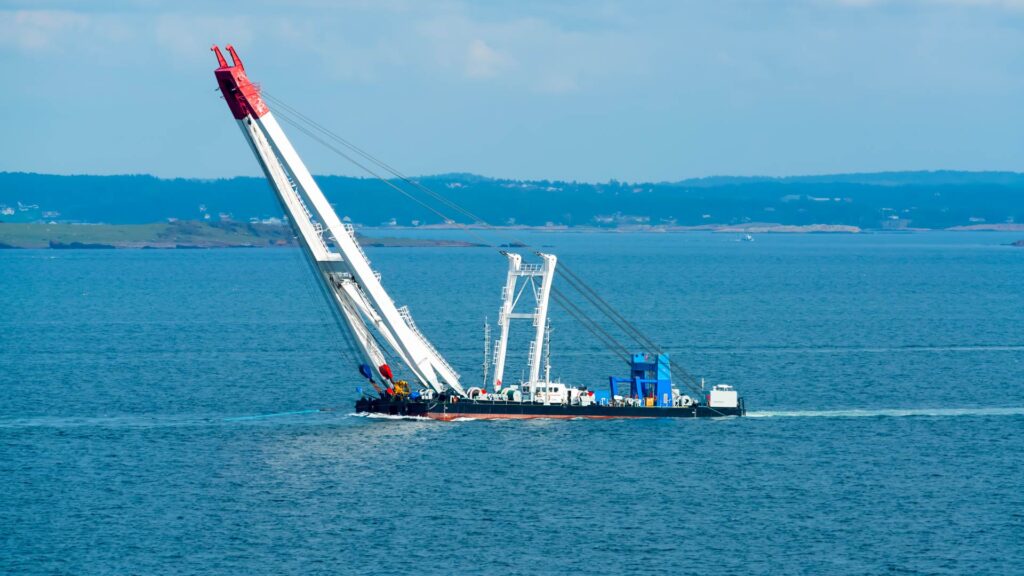
Sediment buildup often goes unnoticed until it interferes with daily marina operations. As sediment accumulates, water depths decrease in slips, fairways, and entrance channels. Boats may scrape the bottom during launch or docking, especially during low-water periods.
Navigation hazards increase as shoaling develops. Propellers can strike submerged material, and maneuvering becomes more difficult in tight spaces. Uneven sediment accumulation can also place added stress on dock structures, leading to long-term maintenance concerns.
Reduced slip access limits the range of vessels a marina can safely accommodate, which affects both safety and customer satisfaction.
Operational and financial consequences for marina owners
From an operational standpoint, limited access can disrupt marina activity during peak boating season. Some boats may need to be relocated, and new customers may be turned away. These disruptions affect revenue and reputation.
Financially, delaying dredging often results in higher costs. Emergency dredging typically requires quick mobilization, limited scheduling options, and fewer disposal choices. These constraints increase project expenses and create additional strain on marina operations.
How proactive maintenance dredging reduces emergency dredging costs
Proactive maintenance dredging in Michigan allows marina owners to plan work well in advance. Scheduled dredging can be completed during off-peak seasons, reducing disruption and expanding disposal options. Over time, this approach lowers overall dredging costs and reduces the risk of sudden closures or safety issues.
How Sediment Behaves in Michigan Marinas
Why Michigan marinas experience accelerated sedimentation
Michigan marinas experience sedimentation from a combination of natural processes and human activity. Many marinas are located near developed shorelines where runoff carries fine material into the water. Seasonal weather patterns also contribute to ongoing sediment delivery.
Spring snowmelt and heavy rain events transport sediment from surrounding land into lakes and rivers. Once this material reaches calm marina basins, it settles and accumulates over time.
Influence of shoreline development, watershed runoff, and storm cycles
Shoreline development increases impervious surfaces such as roads, roofs, and parking areas. These surfaces prevent water from soaking into the ground, increasing runoff during storms. Watershed runoff carries soil, organic material, and debris into marinas.
Storm cycles also play a major role. Strong rain events and wind-driven waves redistribute sediment, often depositing it in protected marina areas where water movement slows.
Differences between inland lake marinas and Great Lakes-connected basins
Inland lake marinas typically accumulate fine silts and organic material that settle in low-energy zones near docks. These sediments build gradually and often require periodic maintenance. Great Lakes-connected basins experience coarser sand transport driven by wave action and changing water levels. Successful maintenance dredging in Michigan depends on understanding these differences and planning dredging methods accordingly.
Michigan Marina Sediment Testing: More Than a Regulatory Step
Why Michigan marina sediment testing is central to every successful project
Michigan marina sediment testing is a critical component of responsible dredging. While testing is required for regulatory approval, it also provides valuable information that shapes project design and cost control.
Testing allows dredging plans to be based on actual sediment conditions rather than assumptions. This reduces risk and improves predictability.
What sediment testing evaluates: grain size, organics, and contaminants
Sediment testing evaluates grain size to understand how material will behave during dredging and transport. Organic content affects stability and disposal requirements. Contaminant screening ensures that sediment is managed safely and in compliance with regulations.
Together, these factors determine how sediment can be handled and where it can be placed once removed.
How Michigan Dredging uses testing data to:
- Refine dredge volumes: Accurate testing allows dredging to focus on areas that truly require sediment removal. This prevents unnecessary excavation and reduces project scope.
- Prevent unnecessary disposal costs: By understanding sediment characteristics early, appropriate disposal methods can be selected. This avoids costly changes later in the project.
- Streamline approvals and schedules: Complete Michigan marina sediment testing data supports smoother permitting and reduces delays caused by additional information requests.
Soundings and Surveys: Turning Data into Dredging Accuracy
Why outdated depth charts lead to over- or under-dredging
Depth conditions in marinas are not static. Storm events, shoreline runoff, prop wash, and seasonal water level changes all affect bottom contours. When dredging plans rely on charts that are several years old, crews may remove sediment that has remained stable while overlooking newly formed shoals. Over-dredging increases costs and disposal volume, while under-dredging leaves navigation issues unresolved. Updated soundings help ensure that dredging targets current conditions rather than past assumptions, which is essential for accurate planning and cost control.
Sounding methods used in modern marina projects
Modern marina projects use current sounding methods to capture detailed depth measurements across basins, fairways, and entrance channels. These surveys are conducted systematically to map bottom contours and identify areas of active sediment buildup. By collecting high-resolution data, survey teams can distinguish between widespread depth loss and localized problem areas. This approach provides a clear picture of where dredging is needed most and where it can be avoided.
How Michigan Dredging integrates survey data into:
- Precise cut lines
Survey data is used to establish exact dredging limits, ensuring that material is removed only where necessary. This precision helps protect stable areas and reduces unnecessary excavation.
- Equipment selection
Understanding sediment depth and bottom conditions enables the appropriate equipment to be selected for the job. Proper selection improves efficiency and reduces disturbance.
- Phased maintenance dredging plans
Survey results support phased maintenance dredging in Michigan, allowing work to be scheduled over multiple seasons when appropriate. This helps marina owners manage budgets and minimize operational disruption.
Navigating Michigan’s Dredging Approval Landscape
Overview of Michigan-specific dredging oversight
Dredging projects in Michigan are regulated to protect water quality, aquatic habitat, and nearby land uses. Oversight typically involves state agencies and, in some cases, federal review, depending on the marina’s location and its connection to larger waterways. These reviews examine how dredging may affect sediment transport, water clarity, and shoreline stability. Because Michigan includes inland lakes, river systems, and Great Lakes harbors, oversight requirements can vary from one project to another. Understanding these differences early helps marina owners avoid unexpected requirements later in the process.
How sediment testing and soundings support smoother permitting
Sediment testing and soundings provide the technical information agencies rely on when reviewing dredging plans. Testing determines which material will be removed and how it can be safely managed. Soundings show current depth conditions and clearly define the dredging footprint. When this information is complete and well-organized, agencies can evaluate projects more efficiently. Clear data reduces follow-up questions and helps keep review timelines predictable.
Common delays marina owners face—and how Michigan Dredging helps avoid them
Common delays often stem from unclear disposal plans, outdated surveys, or incomplete sediment data. These gaps can lead to requests for additional studies and extended review periods. Michigan Dredging helps marina owners avoid these issues through early coordination, accurate surveys, and thorough documentation that aligns with Michigan’s approval expectations.
Dredging Disposal Strategies That Work in Michigan
Overview of approved dredging disposal strategies for Michigan marinas
Michigan allows several dredging disposal strategies depending on sediment classification and site conditions. Approved options are designed to protect water quality, shoreline stability, and nearby land uses. Selecting the appropriate disposal approach early helps marina owners avoid project delays and unexpected handling or hauling challenges during dredging operations.
Matching disposal methods to sediment classification results
Sediment testing results determine which disposal methods are appropriate for a marina project. Grain size, organic content, and material stability all influence disposal suitability. Matching disposal methods early in the planning process reduces compliance risks, supports smoother approvals, and helps maintain better control over project timelines and overall costs.
Options commonly used in Michigan:
- Upland placement: Clean material may be placed at approved upland sites when conditions allow.
- Confined disposal: Fine or organic-rich sediments often require confined disposal to prevent runoff or water-quality impacts.
- Beneficial reuse applications: Clean sands may be suitable for reuse in shoreline or habitat projects.
- How early planning reduces hauling, handling, and compliance risks: Early planning around dredging disposal strategies reduces hauling distances, limits material handling, and lowers regulatory risk.
Designing a Long-Term Maintenance Dredging Plan
Why one-time dredging isn’t enough for most Michigan marinas
Sediment accumulation does not stop after a single dredging project. Ongoing shoreline runoff, seasonal storms, and regular boat traffic continue to introduce material into marina basins. When dredging is treated as a one-time fix, sediment often builds back quickly, forcing marina owners into unplanned and costly emergency projects. These reactive efforts typically entail tighter timelines, higher costs, and greater disruption to marina operations.
Creating maintenance cycles based on sediment behavior and use patterns
Effective maintenance dredging in Michigan plans are built around how sediment behaves at a specific site and how the marina is used throughout the year. Inland lakes, river-fed basins, and Great Lakes harbors all accumulate sediment at different rates. Understanding these patterns enables dredging to be scheduled at appropriate intervals rather than waiting for access issues to arise.
How Michigan Dredging builds repeatable, cost-controlled dredging programs
Michigan Dredging develops long-term dredging programs that establish predictable cycles, helping marina owners plan budgets, schedules, and operations with confidence while reducing long-term costs.
Why Michigan Dredging Is the Right Partner for Marina Owners
Local experience with Michigan waterways and marina conditions
Michigan Dredging brings hands-on experience working across Michigan’s inland lakes, river-fed marinas, and Great Lakes harbors. This local knowledge enables the team to understand how sediment behaves across the state, from calm inland basins to wave-influenced harbor entrances. Familiarity with seasonal water level changes, storm patterns, and shoreline development helps Michigan Dredging design solutions that reflect real site conditions rather than assumptions. This experience leads to more accurate planning and fewer surprises during execution.
End-to-end capabilities: surveys, sediment coordination, dredging, disposal planning
Michigan Dredging offers complete project support from start to finish. Services include surveys and soundings, coordination of sediment testing, dredging execution, and disposal planning. Having all phases managed by a single team ensures consistency throughout the project. Information collected during surveys flows directly into dredging plans and disposal decisions, reducing miscommunication and delays. This integrated approach simplifies the process for marina owners and keeps projects moving efficiently.
A compliance-first, results-driven approach to maintenance dredging in Michigan
Michigan Dredging prioritizes regulatory compliance while focusing on practical results. By addressing permitting requirements early and planning responsibly, the team supports reliable maintenance dredging in Michigan that protects marina access, controls costs, and preserves long-term value for marina owners.
Building Smarter Marina Maintenance Through Local Expertise
Effective marina dredging is never the result of a single action. Sediment testing, soundings, and disposal planning work together as a single, integrated process. When one element is overlooked, the entire project incurs greater risk, whether due to inaccurate dredge volumes, approval delays, or higher disposal costs. Michigan marinas, in particular, require strategies that account for local conditions, such as inland-lake behavior, river-fed sediment transport, and Great Lakes wave influence.These factors make generic dredging plans unreliable and often inefficient. Local expertise allows dredging plans to align with how sediment actually moves and settles in Michigan waterways. By planning and addressing each step carefully, marina owners gain greater control over schedules, costs, and long-term access. Partnering with Michigan Dredging supports sustainable, efficient marina maintenance that protects navigability, reduces unexpected disruptions, and ensures marinas remain functional and competitive across Michigan’s diverse water environments.